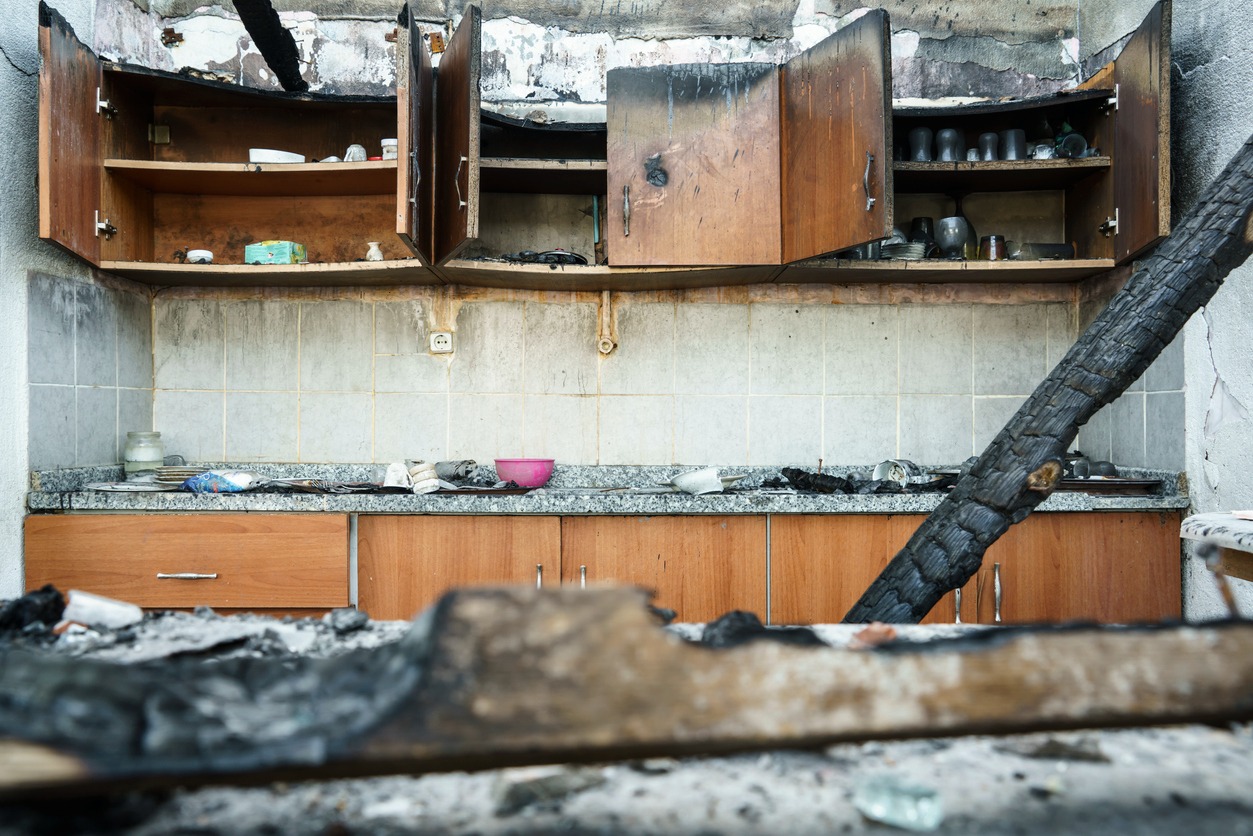
Smoke and fire damage doesn’t end with charred walls or blackened ceilings. After even small fires, harmful residues can linger unseen, reducing air quality and causing adverse health effects. Understanding the science behind smoke particles, soot contamination, and the value of professional restoration is crucial for Glen Burnie families who want a safe, healthy home.
The Science Behind Smoke Residues
When materials combust during a fire, they release a mix of gases and fine particles. These smoke particles can penetrate ventilation systems, carpets, walls, and other porous surfaces. Smoke often contains a suspension of carbon, volatile organic compounds, and chemicals based on what was burned such as plastics, wood, or electronics. Some of these particles remain airborne for days, which means that indoor air quality remains compromised long after the fire trucks have left.
With Maryland’s humid, temperate springs and hot summers, smoke residues can become more deeply embedded. This makes immediate air filtration and fire damage restoration even more necessary in Glen Burnie homes, helping to minimize long-term odor and respiratory issues.
How Soot Contaminates Your Living Spaces
Soot is a black, powdery residue left behind by incomplete combustion. It collects on furniture, textiles, and inside HVAC ducts, and can even accumulate behind walls or above ceilings where it isn’t easily visible. If inhaled, soot can cause a variety of health problems, especially for children, elderly individuals, or those with allergies and asthma.
Professional fire restoration teams use specialized cleaning solutions and equipment, such as HEPA-filter vacuums and air scrubbers, to thoroughly remove soot from affected areas. It’s important not to attempt full cleaning without proper tools or personal protective equipment, since simple surface cleaning won’t restore true air quality.
Health Effects Linked to Poor Indoor Air Quality After Fire
Experiencing a fire event in your home is traumatic, and ongoing indoor air pollution can have just as lasting an impact. Some common health effects after a structure fire can include:
- Breathing problems and aggravated asthma
- Headaches and dizziness
- Eye, nose, or throat irritation
- Worsened allergies If these symptoms persist, it could indicate the continued presence of smoke particulates or soot in your air. The hot and humid climate in Glen Burnie can exacerbate these effects by making airborne toxins harder to dissipate naturally.
Restoration Services: Reclaiming Indoor Air Quality
A quick, thorough professional remediation is the key to restoring both comfort and safety. Smoke and odor removal is more than masking smells. Restoration experts filter particulates and chemically neutralize odor molecules embedded in structures and furnishings. Teams in Glen Burnie often use negative air machines and ozone treatments to make sure every room is fully cleared.
Specialists also inspect and clean HVAC systems to stop recirculation of harmful particles. Water damage restoration is often a necessary parallel service, since water used to extinguish the fire can further contribute to poor air quality if left behind. Partnering with a local restoration company ensures that solutions are tailored to Glen Burnie’s unique building codes, property layouts, and seasonal humidity levels.
Contact Flood and Fire Response LLC for Cleaner Air After Fire Damage
Flood and Fire Response LLC specializes in comprehensive fire and smoke cleanup for homes and businesses in Glen Burnie, MD. If you are facing the effects of fire damage, let our team restore your property’s indoor air quality with certified fire damage restoration, smoke and odor removal, and water damage restoration services. Call us today at (240) 712-4100 or fill out our online form to schedule a prompt evaluation and regain peace of mind.