As temperatures rise in Maryland and snow begins to melt, Glen Burnie homeowners encounter unique seasonal water risks. The gradual thaw might seem harmless, but it’s often the culprit behind widespread water damage restoration calls. Spring thaw conditions produce large volumes of water in a short time, threatening basements, crawl spaces, and household structures. Recognizing the dangers and knowing where snowmelt may breach your defenses is essential to protect your home and avoid costly repairs.
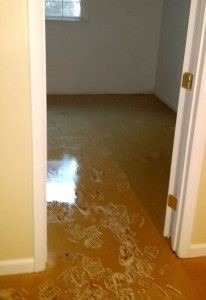
How the Spring Thaw Overwhelms Properties
During the spring thaw, accumulated snow turns to water nearly overnight, oversaturating the ground. In Glen Burnie and nearby communities, clay-rich soils worsen this, because they drain poorly and push thaw water laterally against home foundations. If your property is located on a slope or at a low elevation, the runoff collects faster and increases the odds of water intrusion.
Excess water then looks for the path of least resistance. When the soil is already frozen or saturated, it forces meltwater into vulnerable areas like window wells, basement vents, and foundation cracks. Many homeowners realize too late that these ordinary access points are the entryways for significant water damage.
Clogged Drains and Gutter Failures During Thaw
A primary hazard during spring is blocked gutters and drains. Winter debris, ice dams, and leftover autumn leaves prevent proper water movement away from your property. When gutters overflow, water pools at the foundation, heightening the risk of basement water extraction emergencies. In addition, downspouts that direct water too close to your home, or are blocked by ice or yard debris can channel vast amounts of water along exterior walls and straight into crawl spaces.
Regular gutter maintenance and ensuring that all external drains are clear and functional are crucial steps before and during spring. Otherwise, improper drainage invites water to seep through any available crack, causing serious damage beneath the surface.
Common Water Entry Points in Basements and Crawl Spaces
Glen Burnie’s older homes and newer builds alike face spring thaw threats due to construction variables and natural wear on sealing materials. The most frequent entry points include:
- Cracks in poured concrete foundations or cinder block walls
- Gaps around basement windows and doors
- Deteriorated or missing sealant around crawl space vents
- Sump pump failures, especially if the unit cannot keep pace with sudden influxes
- Overwhelmed floor drains or those blocked by ice or debris
When spring thaw water finds its way inside, mold, damaged insulation, ruined flooring, and electrical hazards may soon follow. Homeowners have called on Flood and Fire Response LLC to address everything from standing water in the basement to soaked crawl spaces after a single weekend of rapid melting.
Why Immediate Water Damage Mitigation Matters
Time is the enemy when it comes to thaw-related water intrusions. The moment water enters a basement or crawl space, it begins damaging structure and possessions. Mold can take hold within 24-48 hours, while prolonged moisture can compromise foundation strength or even lead to hazardous air quality. Quick, professional water mitigation is critical to limiting both repair costs and potential health effects.
Water damage companies serving the Glen Burnie area come equipped to extract standing water, dry building materials, and sanitize affected spaces. Their rapid response is often the difference between a minor inconvenience and a full-scale restoration project.
Contact Flood and Fire Response LLC for Immediate Help and Peace of Mind
If you notice seepage, flooding, or damp odors this spring, do not wait to act. The team at Flood and Fire Response LLC is local to Glen Burnie, MD and specializes in rapid, dependable water mitigation and restoration. Call (240) 712-4100 or fill out our online form to schedule a professional assessment or request emergency assistance today. Protect your home before water damage turns serious and enjoy peace of mind through the demanding spring thaw season.