When water damage strikes a property, the risk doesn’t end after the water is gone. Mold can start to form within 24-48 hours after water intrusion, often hiding in places that aren’t immediately visible. This is especially important for homeowners and businesses managing water-related emergencies. In a region that experiences humid summers and sudden storms, such as Maryland, understanding how to detect and address mold quickly is crucial for health and property integrity.
Why Mold Forms So Quickly After Water Damage
Mold spores are naturally present in the environment, but they require moisture to grow and thrive. After a flood, burst pipe, or even a leaking roof, the damp materials in a building become a prime target for mold colonization. Warm temperatures and high humidity, common in Maryland during spring and summer, only accelerate this process.
It is a myth that visible drying means complete safety. Mold often develops rapidly behind walls, under flooring, or in insulation where it is shielded from airflow and sunlight. Within days, what starts as a minor moisture issue can become a widespread contamination that impacts both structural materials and indoor air quality.
How to Spot Mold in Hidden Spaces
Detecting mold after water damage isn’t always straightforward since early colonies can flourish in areas you rarely see. There are several subtle yet significant warning signs to watch for:
- Persistent musty odor, even when the affected area appears dry
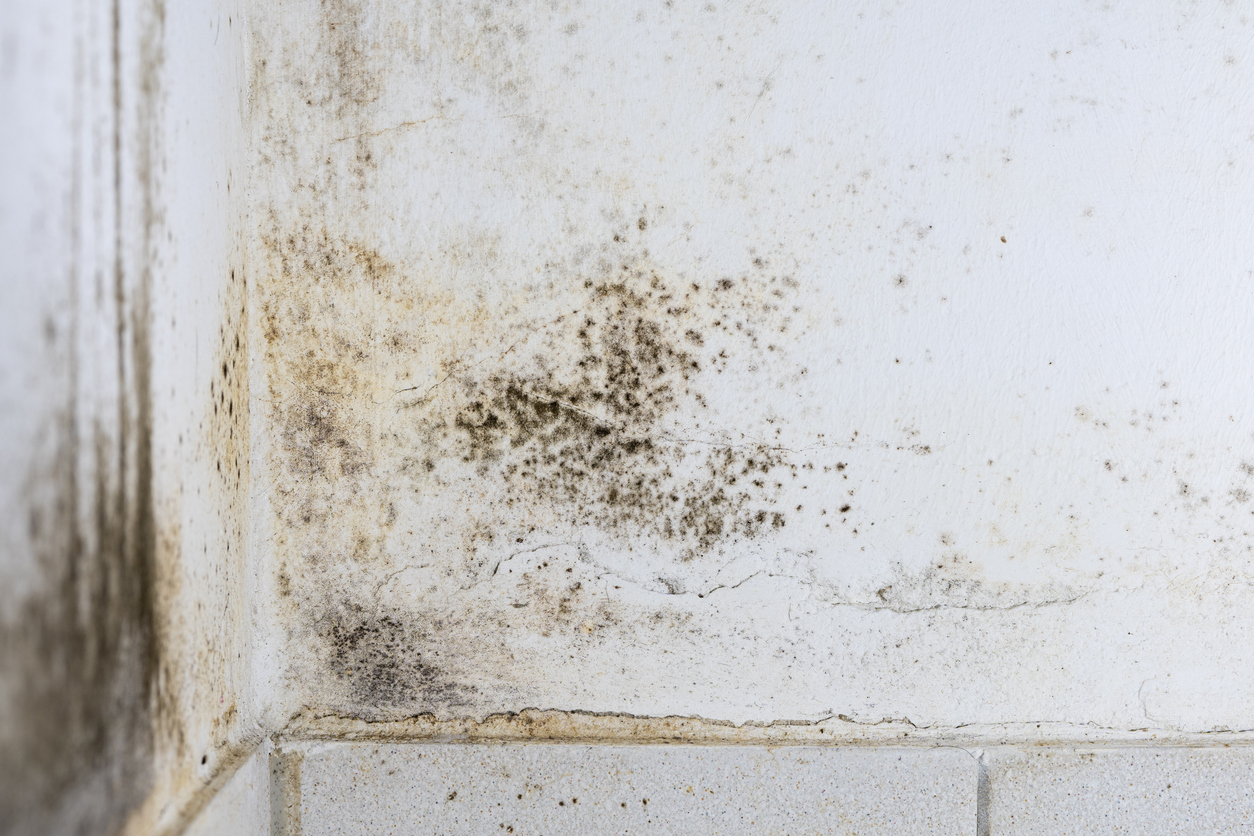
- Staining or discoloration on walls, ceilings, or baseboards
- Peeling paint or wallpaper, often signaling hidden dampness
- Warping or buckling of wood, flooring, or drywall
- Increased allergies or respiratory issues among occupants
Areas most susceptible include basements, crawl spaces, behind kitchen cabinets, and inside wall cavities, especially in homes or businesses with previous water damage.
The Health Risks Associated With Mold Growth
Ignoring mold can lead to adverse health effects, particularly in children, older adults, and people with respiratory ailments. Mold spores can cause symptoms like sneezing, eye irritation, coughing, and aggravate asthma or allergies. Some varieties, such as black mold (Stachybotrys chartarum), are linked to more serious health complications with prolonged exposure.
For commercial properties or multifamily buildings, unchecked mold growth may lead to increased liability and even temporary closure if levels are deemed hazardous by regulatory agencies. Prompt and thorough water damage restoration is not merely for property preservation, but also for occupant safety.
Why Timely Professional Remediation Is Essential
Addressing water damage and ensuing mold requires more than just surface cleaning. Homeowners and businesses should seek help from professionals specializing in mold remediation and flood damage cleanup, as these services include:
- Moisture detection with advanced tools to identify the extent of hidden water
- Industrial-grade drying and dehumidification to ensure all areas are thoroughly dried
- Controlled demolition or cleaning protocols to prevent spore spread during removal
- Air filtration and post-remediation verification for continued safety
Self-remediation risks missing concealed colonies and may allow mold to return, leading to costly repeat repairs. Only experienced, locally based technicians can reliably protect Maryland properties from long-term issues.
Act Quickly to Protect Your Glen Burnie, MD Property
If you suspect mold after water damage, acting fast can stop further damage and health risks. Flood and Fire Response LLC provides urgent, comprehensive mold and water restoration services throughout Glen Burnie, MD and the surrounding areas. Call (240) 712-4100 today or fill out our online form to schedule an immediate inspection and keep your home or business safe.