Cold snaps are an unavoidable part of winter around Glen Burnie, and when temperatures dip below freezing, one of the most significant risks for homeowners is the threat of burst pipes. Water inside your pipes can freeze, expand, and put pressure on the pipe walls, leading to sudden ruptures that can unleash gallons of water inside your property in minutes. Understanding why burst pipes occur and recognizing early warning signs can help protect your home and health from long-term water damage.
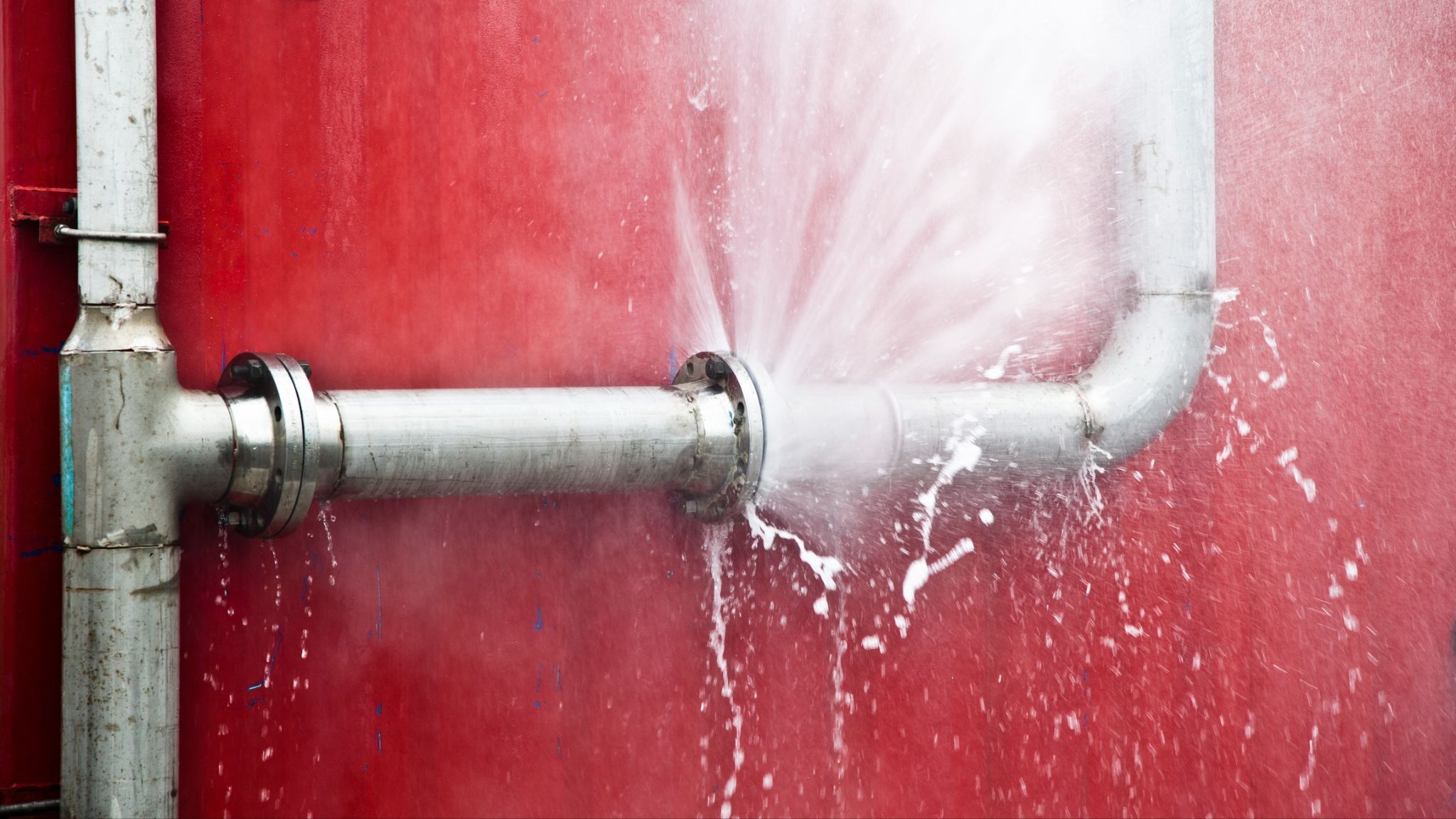
How Freezing Temperatures Lead to Burst Pipes
When the mercury falls, especially during January and February in Maryland, uninsulated or exposed plumbing is at risk. As water within these pipes freezes, it expands and pressures the pipe from the inside. Common trouble spots include pipes running through unheated basements, attics, garages, or along exterior walls. Pipes constructed from copper, PVC, or even older galvanized steel are all vulnerable if not adequately insulated.
Local cases in Glen Burnie reveal the extent of the problem: one client found their finished basement ankle-deep in water after a subzero night cracked a pipe tucked behind drywall. With the prevalence of older homes in the area, even properties with updated systems may have hidden stretches of vulnerable piping.
Signs of Hidden Pipe Leaks You Shouldn’t Ignore
Pipe bursts aren’t always as obvious as a sudden flood. Sometimes leaks happen behind walls or above ceilings, where water can seep for days before becoming apparent. Be vigilant for these subtle signs of hidden pipe damage:
- Unexplained drops in water pressure
- Damp patches, stains, or bubbling paint on walls or ceilings
- Unusual sounds such as hissing or dripping behind surfaces
- Persistent, musty odors that signal lingering dampness
Quickly identifying and addressing these warning signals can reduce the risk of severe structural damage and mold growth.
Immediate Steps to Take Before Water Restoration Professionals Arrive
If you discover a burst pipe or water leak this winter, taking prompt action can prevent further destruction before professional help arrives. Follow these essential steps:
- Shut off your main water supply at the nearest valve to halt water flow.
- Switch off electricity to any affected areas if you suspect wires or outlets have been compromised by moisture.
- Move valuables and porous belongings, such as important documents, electronics, and fabrics, away from the affected zone.
- Open cabinets or doors to enhance air circulation and allow heat to reach more pipes.
- Mop up standing water with towels or a wet/dry vacuum, if it’s safe to do so.
- Document all visible damage with photographs for your insurance provider.
While these measures can limit immediate destruction, hidden water may continue to penetrate building materials, so emergency water restoration is critical for complete recovery.
Why Professional Water Restoration is Critical After a Burst Pipe
Even after cleanup, water seepage into flooring, walls, and insulation can cause secondary issues such as warping, rot, and rapid mold growth. Only thorough water damage restoration can ensure that moisture is fully extracted. Professionals use industry-standard moisture meters and drying equipment to reach areas inaccessible to the average homeowner. Prompt remediation not only restores your home but also prevents costly repairs and health complications from compromised indoor air quality.
Get Emergency Help for Winter Water Damage in Glen Burnie, MD
If winter’s chill has caused a burst pipe or flooding in your Glen Burnie, MD property, don’t wait. Contact Flood and Fire Response LLC now for emergency water restoration services. Call (240) 712-4100 or fill out our online form to get immediate assistance and professional restoration tailored to your situation.